<?xml version="1.0" encoding="utf-8"?><feed xmlns="http://www.w3.org/2005/Atom" ><generator uri="https://jekyllrb.com/" version="4.4.1">Jekyll</generator><link href="https://informaticsclub.github.io/feed.xml" rel="self" type="application/atom+xml" /><link href="https://informaticsclub.github.io/" rel="alternate" type="text/html" /><updated>2026-06-03T21:47:12-05:00</updated><id>https://informaticsclub.github.io/feed.xml</id><title type="html">Informatics Club</title><subtitle>The Informatics Club fosters a community for UAB students and trainees interested in informatics through professional development, social activities, and community service.</subtitle><author><name>Informatics Club</name></author><entry><title type="html">Student Presentation</title><link href="https://informaticsclub.github.io/2023-11-30-student-presentation/" rel="alternate" type="text/html" title="Student Presentation" /><published>2023-11-30T00:00:00-06:00</published><updated>2023-11-30T00:00:00-06:00</updated><id>https://informaticsclub.github.io/student-presentation</id><content type="html" xml:base="https://informaticsclub.github.io/2023-11-30-student-presentation/"><![CDATA[<p>On November 16, 2023, the UAB Informatics Club hosted its student informatics presentation series, featuring Mattie Logan, a second-year Master of Science in Health Informatics student. In the realm of user experience (UX) research, the pursuit of creating innovative and impactful solutions often depends on understanding the human element at a deeper level. Mattie’s talk, titled “UX Research Article Analysis: A Human-Centered Designed Outreach Strategy for a Youth Contraception Navigator Program,” shed light on an initiative that aims to inform and support youth in informed decision-making about contraception in a manner that resonates with needs, preferences, and behaviors.</p>

<p>The presentation took a deep dive into the core tenets of human-centered design emphasizing the importance of understanding, iterative design, and continuous user feedback. At its heart lay the objective of crafting an outreach strategy that goes beyond the dissemination of information to actively engage and empower the target demographic: the youth.</p>

<p>The process began with comprehensive user research where the student embarked on an in-depth exploration of how researchers identified the target audience’s attitudes, knowledge gaps, cultural nuances, and barriers to seeking contraception-related information. This initial phase illuminated diverse needs and challenges faced by young individuals in navigating contraceptive choices ranging from lack of information to stigma.</p>

<p>Armed with these insights, the team adopted an iterative design approach and developed prototyped materials and communication messages. This phase was marked with constant refinement and various messages that resonated with the test participants. Through designing messages based on participant feedback, researchers were able to foster a safe and inclusive space for open dialogue to help empower youth to make informed decisions confidently.</p>

<p>Furthermore, the presentation underscored the importance of collaboration and interdisciplinary approaches in UX research. Through leveraging insights from technology, communication, sociology, and public health, the team was able to design a multifaceted strategy that aligns with the diverse needs of the target audience.</p>

<p>The culminating strategy unveiled during the presentation was a testament to the power of human-centered design in addressing sensitive and crucial topics. It demonstrated a nuanced understanding of the target audience’s needs while advocating for a more empathetic, inclusive approach to healthcare outreach.</p>

<p>The impact of this project extends far beyond its immediate scope. It serves as a compelling example of how human-centered design methodologies can drive meaningful change, especially in domains where empathy, understanding, and destigmatization are pivotal. The Youth Contraception Navigator Program’s innovative approach not only informs the design of future healthcare initiatives but also champions a paradigm shift towards more compassionate and effective outreach strategies.</p>

<p>This student presentation showcased the transformative potential of UX research. By placing the human experience at the forefront, the project offered insights and strategies that could pave the way for a more inclusive, informed, and empowered youth population when it comes to critical decision-making about their reproductive health.</p>

<p><a href="https://drive.google.com/file/d/1jtFMFoA44l1PhEDd_kl-14LfuKFfPAOn/view?usp=sharing" class="btn btn-primary" target="_blank">
  Download Presentation Slides
</a></p>

<p><em>Written by Mattie Logan (draft by chatGPT)</em></p>

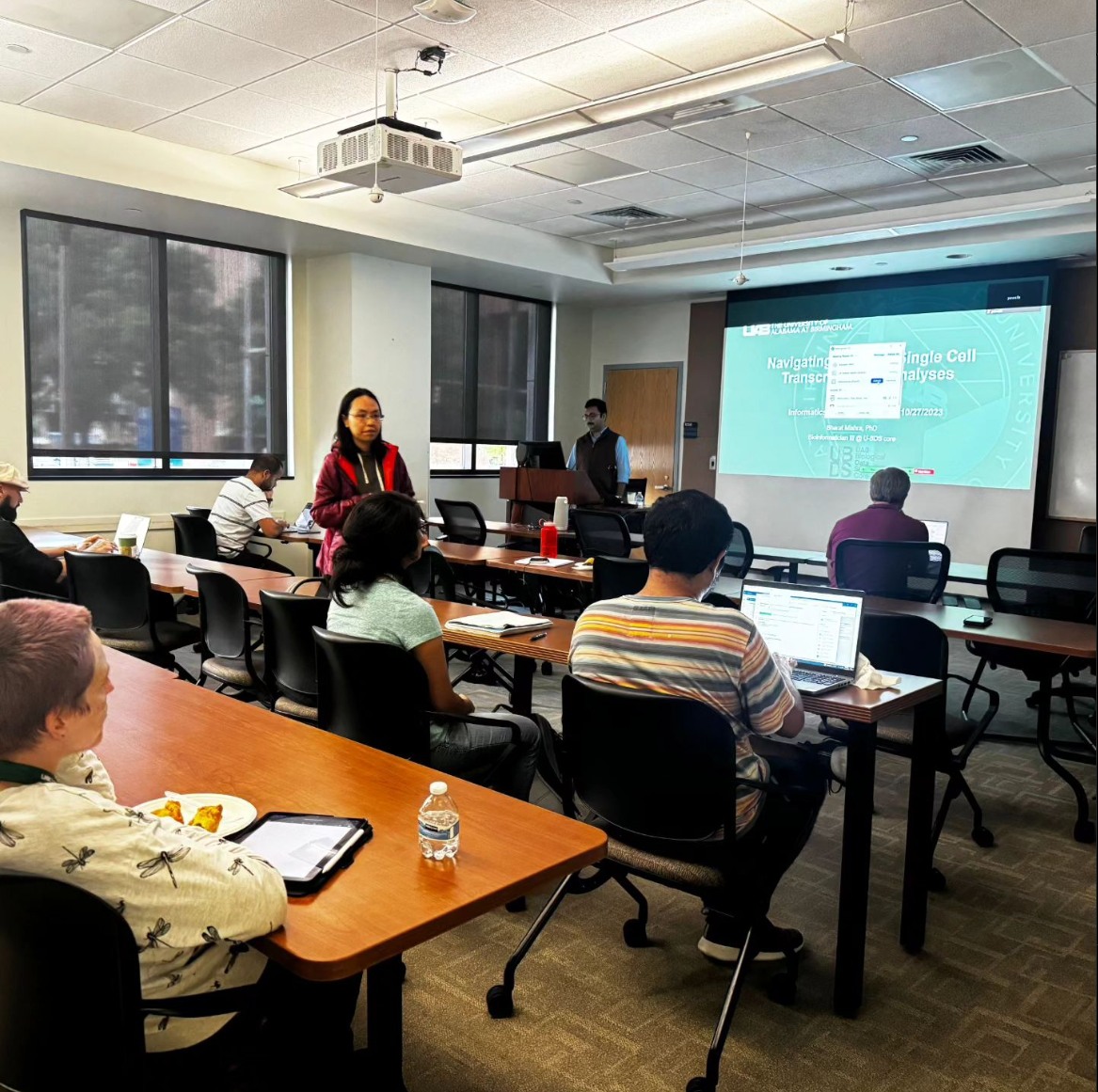
<p><em>Want to request edits on this blog? Contact <a href="mailto:sbharti@uab.edu">sbharti@uab.edu</a> or <a href="mailto:informaticsclub@uab.edu">informaticsclub@uab.edu</a></em></p>]]></content><author><name>Informatics Club</name></author><category term="ux research" /><category term="article analysis" /><category term="student-presentations" /><category term="student" /><summary type="html"><![CDATA[On November 16, 2023, the UAB Informatics Club hosted its student informatics presentation series, featuring Mattie Logan, a second-year Master of Science in Health Informatics student. In the realm of user experience (UX) research, the pursuit of creating innovative and impactful solutions often depends on understanding the human element at a deeper level. Mattie’s talk, titled “UX Research Article Analysis: A Human-Centered Designed Outreach Strategy for a Youth Contraception Navigator Program,” shed light on an initiative that aims to inform and support youth in informed decision-making about contraception in a manner that resonates with needs, preferences, and behaviors.]]></summary></entry><entry><title type="html">Data Dialogues</title><link href="https://informaticsclub.github.io/2023-10-30-data-dialogues/" rel="alternate" type="text/html" title="Data Dialogues" /><published>2023-10-30T00:00:00-05:00</published><updated>2023-10-30T00:00:00-05:00</updated><id>https://informaticsclub.github.io/data-dialogues</id><content type="html" xml:base="https://informaticsclub.github.io/2023-10-30-data-dialogues/"><![CDATA[<p>Last Friday, the UAB Informatics Club hosted its monthly Data Dialogues seminar event, featuring Dr. Bharat from U-BDS as the guest speaker. Dr. Bharat’s presentation on “Navigating through Single Cell Transcriptomics Analyses” offered valuable insights into this cutting-edge field of genomics.</p>

<p><img src="/assets/img/bharat.png" alt="event-photograph" /></p>

<p>Dr. Bharat introduced the audience to the concept of single cell transcriptomics. He explained how this technology enables the study of individual cell gene expression profiles, unveiling a level of cellular diversity previously concealed by traditional bulk sequencing methods.</p>

<p>The seminar highlighted the practical applications of single cell transcriptomics. Dr. Bharat discussed how this technology has transformed our understanding of diseases like cancer and neurodegenerative disorders. By identifying subpopulations of cells with distinct gene expression patterns, single cell transcriptomics promises to revolutionize diagnostics and treatment strategies.</p>

<p>Dr. Bharat also provided a comprehensive overview of the technical aspects of single cell RNA sequencing. He demystified the data collection, analysis, and interpretation steps, making the complex subject accessible to both novices and experts in the field.</p>

<p>The event underscored that single cell transcriptomics is a frontier where genomics continually pushes boundaries. Dr. Bharat’s expertise and the audience’s enthusiastic engagement affirmed that the field holds incredible promise for future research and discoveries.</p>

<p>In conclusion, the Data Dialogues seminar featuring Dr. Bharat was a resounding success. It offered a glimpse into the future of genomics and bioinformatics. The UAB Informatics Club is grateful for the opportunity to host such a distinguished speaker and looks forward to delving deeper into the world of single cell transcriptomics. This event not only expanded our horizons but also kindled our passion for informatics. Stay tuned for more event summaries and updates on our GitHub website as we continue to explore this exciting field.</p>

<p><a href="https://drive.google.com/file/d/1QWnuZJMPFYtbTptkSQLNh0W7l1PPQWx5/view?usp=drive_link" class="btn btn-primary" target="_blank">
  Download Presentation Slides
</a></p>

<p><em>Written by Samuel Bharti (draft by chatGPT)</em></p>

<p><em>Want to request edits on this blog? Contact <a href="mailto:sbharti@uab.edu">sbharti@uab.edu</a> or <a href="mailto:informaticsclub@uab.edu">informaticsclub@uab.edu</a></em></p>]]></content><author><name>Informatics Club</name></author><category term="single-cell" /><category term="transcriptomics" /><category term="data-dialogues" /><category term="u-bds" /><summary type="html"><![CDATA[Last Friday, the UAB Informatics Club hosted its monthly Data Dialogues seminar event, featuring Dr. Bharat from U-BDS as the guest speaker. Dr. Bharat’s presentation on “Navigating through Single Cell Transcriptomics Analyses” offered valuable insights into this cutting-edge field of genomics.]]></summary></entry><entry><title type="html">Student Presentation</title><link href="https://informaticsclub.github.io/2023-10-19-student-presentation/" rel="alternate" type="text/html" title="Student Presentation" /><published>2023-10-19T00:00:00-05:00</published><updated>2023-10-19T00:00:00-05:00</updated><id>https://informaticsclub.github.io/student-presentation</id><content type="html" xml:base="https://informaticsclub.github.io/2023-10-19-student-presentation/"><![CDATA[<p>On October 19, 2023, the UAB Informatics Club hosted its student informatics presentation series, featuring Tarun Kumar, a fifth-year Ph.D. student from the UAB GBS-GGB program. Tarun’s talk, titled “Unlocking the Secrets of Biological Data with LLMs,” was an enlightening exploration into the world of Large Language Models (LLMs) and their application to deciphering biological data.</p>

<p>Tarun’s presentation kicked off with an introduction to LLMs, which are powerful AI models known for their natural language understanding capabilities. He highlighted how these models, often used in text analysis and language generation, have recently found novel applications in the field of bioinformatics.</p>

<p>One of the key takeaways from Tarun’s talk was the transformative potential of LLMs in the analysis of biological data. By training these models on vast amounts of biological literature and data, researchers can harness their natural language understanding abilities to make sense of complex genetic sequences, understand protein interactions, and even predict potential drug candidates with remarkable accuracy.</p>

<p>During the presentation, Tarun elaborated on real-world applications of LLMs in bioinformatics, showcasing their ability to streamline data analysis processes, reduce human error, and accelerate discoveries. He presented case studies where LLMs had unraveled intricate gene regulatory networks and identified hidden patterns within genomic datasets, ultimately contributing to advancements in the life sciences.</p>

<p>Furthermore, Tarun provided insights into the challenges and ethical considerations surrounding the use of LLMs in biological research. He encouraged responsible and transparent utilization of these models, emphasizing the importance of data privacy, bias mitigation, and model interpretability.</p>

<p>In conclusion, the student informatics presentation series event featuring Tarun Kumar was a captivating glimpse into the convergence of artificial intelligence and biology. The UAB Informatics Club is proud to provide a platform for talented students like Tarun to share their insights and discoveries. As we continue to explore the ever-evolving landscape of informatics, we look forward to more events that bridge the gap between cutting-edge technology and scientific exploration.</p>

<p>Stay tuned for more event summaries and updates on our GitHub website, where we’ll continue to unravel the exciting possibilities at the intersection of informatics and the life sciences.</p>

<p><a href="https://docs.google.com/presentation/d/1-oaQsQHNCe_eacXCfHaQoHuWSqFrSuE0/edit?usp=sharing&amp;ouid=110725132466133961555&amp;rtpof=true&amp;sd=true" class="btn btn-primary" target="_blank">
  Download Presentation Slides
</a></p>

<p><em>Written by Samuel Bharti (draft by chatGPT)</em></p>

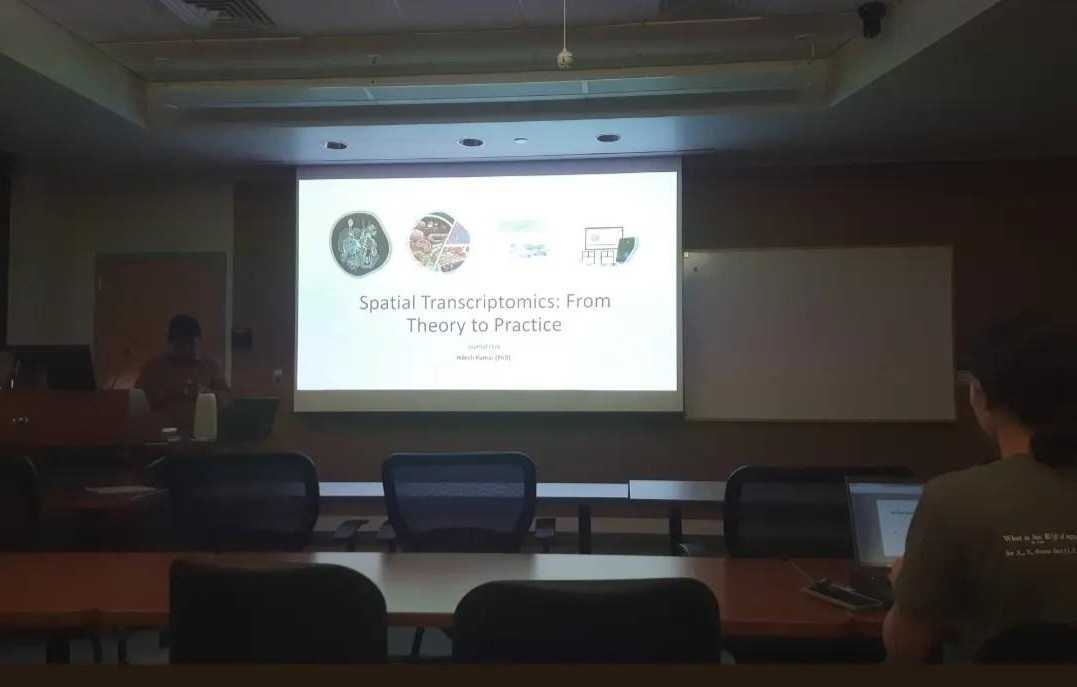
<p><em>Want to request edits on this blog? Contact <a href="mailto:sbharti@uab.edu">sbharti@uab.edu</a> or <a href="mailto:informaticsclub@uab.edu">informaticsclub@uab.edu</a></em></p>]]></content><author><name>Informatics Club</name></author><category term="llm" /><category term="biological-data" /><category term="ai" /><category term="student-presentations" /><category term="student" /><summary type="html"><![CDATA[On October 19, 2023, the UAB Informatics Club hosted its student informatics presentation series, featuring Tarun Kumar, a fifth-year Ph.D. student from the UAB GBS-GGB program. Tarun’s talk, titled “Unlocking the Secrets of Biological Data with LLMs,” was an enlightening exploration into the world of Large Language Models (LLMs) and their application to deciphering biological data.]]></summary></entry><entry><title type="html">Data Dialogues</title><link href="https://informaticsclub.github.io/2023-09-25-data-dialogues/" rel="alternate" type="text/html" title="Data Dialogues" /><published>2023-09-25T00:00:00-05:00</published><updated>2023-09-25T00:00:00-05:00</updated><id>https://informaticsclub.github.io/data-dialogues</id><content type="html" xml:base="https://informaticsclub.github.io/2023-09-25-data-dialogues/"><![CDATA[<p>The UAB Informatics Club had the privilege of hosting our monthly Data Dialogues seminar event last Friday, featuring Dr. Nilesh Kumar from U-BDS as our esteemed guest speaker. Dr. Kumar’s talk, “Spatial Transcriptomics: From Theory to Practice,” took us on an exciting journey into the fascinating world of spatial transcriptomics.</p>

<p><img src="/assets/img/nilesh.jpeg" alt="event-photograph" /></p>

<p>As the founder of the Informatics Club, I can’t help but feel a sense of pride in the growth and development of our organization. This event was another step in the right direction, showcasing the quality of speakers and topics we’re able to bring to our members.</p>

<p>Dr. Kumar began the presentation by introducing the concept of spatial transcriptomics, a groundbreaking technology that merges traditional genomics with spatial data. This innovative approach allows us to visualize the gene expression of individual cells within their specific locations in tissues, enabling a deeper understanding of their function and interactions.</p>

<p>One of the key takeaways from Dr. Kumar’s presentation was the practical applications of spatial transcriptomics. He illustrated how this technology is transforming the study of various biological processes, including developmental biology, disease mechanisms, and cancer research. By pinpointing where specific genes are expressed within tissues, researchers can gain insights that were previously unattainable through conventional methods.</p>

<p>Furthermore, Dr. Kumar provided an insightful overview of the methods and tools used in spatial transcriptomics analysis, making the complex subject accessible to all attendees. His ability to bridge the gap between theory and practice was a testament to his expertise in the field.</p>

<p>In conclusion, our Data Dialogues event featuring Dr. Nilesh Kumar was a resounding success. The world of spatial transcriptomics, as illuminated by Dr. Kumar, holds tremendous promise for both research and clinical applications. The Informatics Club at UAB is committed to fostering an environment where students can explore emerging technologies and engage with experts in the field.</p>

<p>We’re excited about the future of the club and the opportunities it provides for learning and networking. As we continue to share summaries and updates on our GitHub website, we look forward to further exploring the dynamic and evolving landscape of informatics. Stay tuned for more exciting events and discoveries in the world of data science and informatics.</p>

<p><a href="https://docs.google.com/presentation/d/178MoVbk9u-dg4tgcpi09G6Qb4P6d8D_b/edit?usp=sharing&amp;ouid=110725132466133961555&amp;rtpof=true&amp;sd=true" class="btn btn-primary" target="_blank">
  Download Presentation Slides
</a></p>

<p><em>Written by Samuel Bharti (draft by chatGPT)</em></p>

<p><em>Want to request edits on this blog? Contact <a href="mailto:sbharti@uab.edu">sbharti@uab.edu</a> or <a href="mailto:informaticsclub@uab.edu">informaticsclub@uab.edu</a></em></p>]]></content><author><name>Informatics Club</name></author><category term="spatial-transcriptomics" /><category term="transcriptomics" /><category term="single-cell" /><category term="data-dialogues" /><category term="u-bds" /><summary type="html"><![CDATA[The UAB Informatics Club had the privilege of hosting our monthly Data Dialogues seminar event last Friday, featuring Dr. Nilesh Kumar from U-BDS as our esteemed guest speaker. Dr. Kumar’s talk, “Spatial Transcriptomics: From Theory to Practice,” took us on an exciting journey into the fascinating world of spatial transcriptomics.]]></summary></entry></feed>